




How Are Live Streams Being Stolen?
Many unauthorized websites and bot networks use automated tools to record and restream live content without permission. These pirated streams can:
- Divert your audience to unauthorized websites, reducing your legitimate traffic
- Impact your earnings by cutting into ad revenue, tips, and subscriptions
- Harm your brand by distributing lower-quality versions of your content
- Spread scams and malware through fake streaming websites
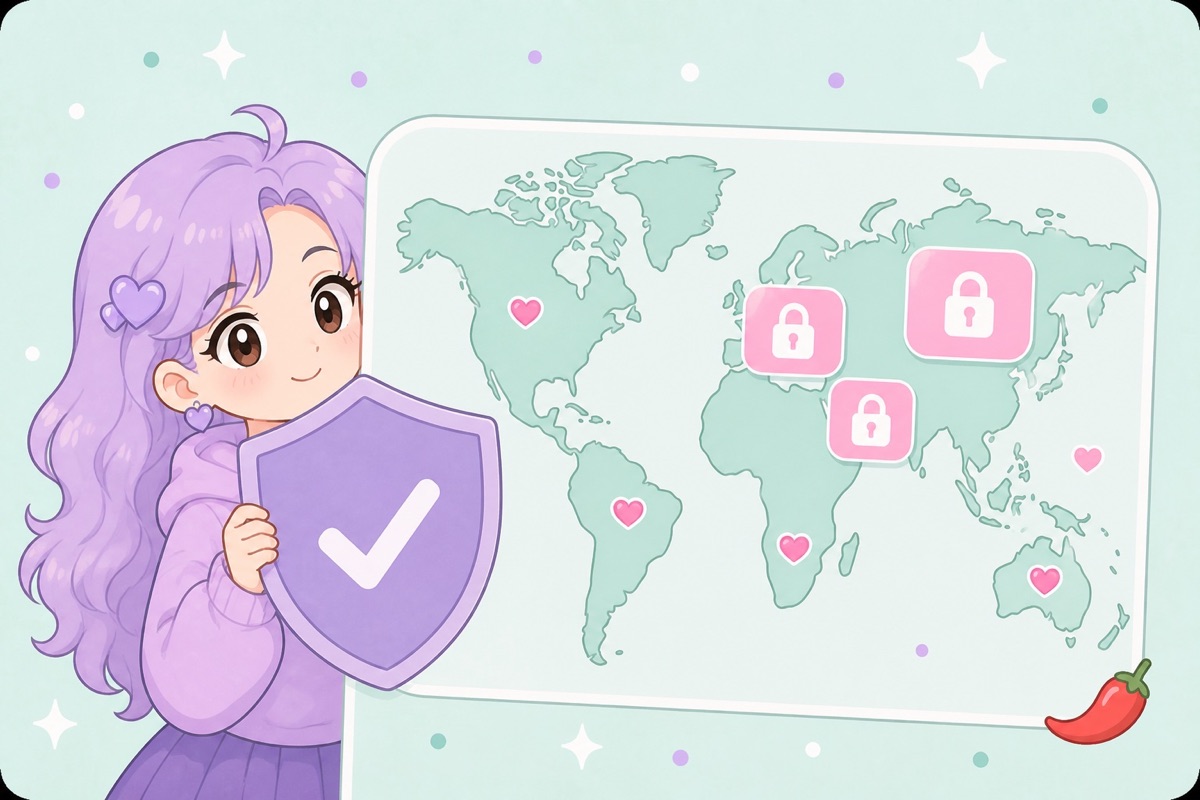
- Expose you in unintended regions by bypassing location blocks—meaning content you restricted to certain locations could be accessible worldwide
- Reshare sensitive moments—if your streams contain nude or intimate content, piracy could expose you in places you never authorized, removing your control over where and how your content is shared
How to File a DMCA Takedown for Stolen Live Streams
Step 1: Identify the stolen content
Find the unauthorized website or platform where your stream is being reuploaded. Take note of the specific URLs and platforms involved.
Step 2: Gather evidence
Take screenshots, save the URL, and document proof that the content is yours. This evidence will be crucial for your DMCA claim.
Step 3: Submit a DMCA request
Most platforms, including Twitch and YouTube, have dedicated copyright complaint forms. You'll need to provide:
- Your contact details (full legal name, address, phone, email)
- Description of the copyrighted work
- URLs of the infringing material
- Statement of ownership and good faith belief
- Accuracy declaration under penalty of perjury
- Your physical or electronic signature
Step 4: Follow up
Pirated streams often reappear, so continued monitoring is key. Keep track of infringements in a spreadsheet for easy reference.
Risks of Self-Filing DMCA Notices
Your personal information is required in a DMCA notice and could be seen by the infringer, risking potential doxxing or harassment.
Protect yourself by:
- Using a P.O. box instead of your home address
- Setting up a dedicated phone number and email for DMCA communications
- Consider using a professional service to file on your behalf
The Challenge of Manual DMCA Filing
Manually searching for and reporting stolen live streams is time-consuming and frustrating. By the time you find and report one stolen stream, multiple new ones may have appeared. This is especially problematic for live content creators who need to focus on creating rather than policing the internet.
Important: Not all platforms may be DMCA compliant, so delisting the content from Google is an important step to mitigating piracy and reducing discoverability of stolen streams.
How BranditScan Can Help
Stop losing revenue to stream pirates. Our AI-powered platform monitors, detects, and removes stolen live stream recordings automatically—so you can focus on creating.
- Real-time monitoring that continuously scans the internet daily for unauthorized live stream recordings across all major platforms and piracy sites
- Automated DMCA & Google takedowns that act fast to remove pirated content, keeping your audience on your official channels with unlimited takedown requests
- AI-powered detection that identifies stolen stream recordings with high accuracy, even when they're re-encoded or edited
- Platform coverage for Twitch, Kick, Chaturbate, YouTube Live, and all major streaming platforms—one dashboard for all your content
- Privacy protection using our legal details, not yours—keeping your personal information safe from potential harassers